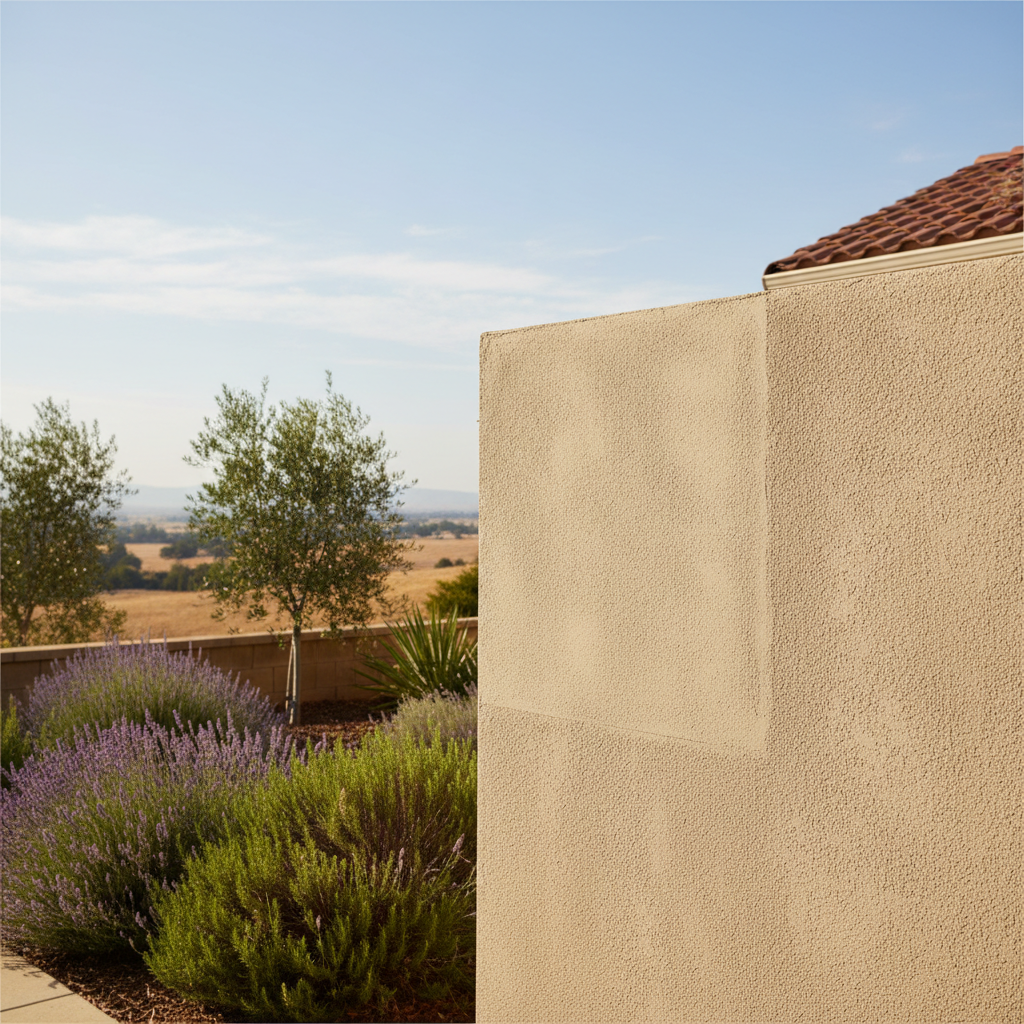
So, you've put money into stucco repair for your Tracy home. That's a smart move, really, protecting your biggest asset. But getting the repair done? That's just half the battle. The other half is keeping it in good shape so you don't have to call me back for the exact same thing next year.
Making Your Stucco Repair Last Longer
You want that repair to stick around, right? Of course you do. The absolute best thing you can do to extend the life of any stucco repair, especially here in Tracy, is to control water. Our hot, dry summers can really bake stucco, sure, but it's the occasional heavy winter rains and the constant irrigation from sprinklers that usually cause the most headaches.
- Keep it Dry: Make sure water isn't constantly hitting the repaired spot. Go check your sprinklers. Are they spraying right onto your stucco walls every morning? Not good. Adjust them so they water your plants, not your house.
- Good Drainage is Key: Gutters and downspouts? They need to be clean and sending water well away from your foundation. If water just pools near the house, it'll eventually find its way into your stucco, even if the repair was done perfectly.
- Sealants and Paint: If your stucco is painted, make sure the paint is a good quality, breathable elastomeric type. It'll flex with temperature changes and give you an extra layer of protection. If it's a traditional finish, a decent clear sealant can help, but you absolutely need to make sure it lets vapor through so moisture can still get out.
Regular Upkeep: What You Should Be Doing
Think of it like changing the oil in your car. A little regular attention really goes a long way. You don't need to be a stucco expert, just observant.
First off, give your house a good visual once-over at least twice a year. Walk all the way around the perimeter. Look closely at those repaired areas. Are new cracks showing up? Is the color consistent? Does anything just look... off? After a big rain, take another peek. Are there any dark, damp spots that stay wet longer than the rest of the wall?
Second, keep it clean. Dirt, dust, and even mildew can build up, especially on north-facing walls that don't get as much sun. Usually, a soft brush and a garden hose with plain water are all you'll need. Don't use a high-pressure washer unless you really know what you're doing, because you can actually damage the stucco and force water into places it shouldn't be. Mild soap is fine for stubborn spots, just make sure to rinse it all off thoroughly.
And don't forget the areas around windows and doors. The caulking there? That's your first line of defense against water getting in. Check it every year. If it's cracking, shrinking, or pulling away, it needs to be replaced. This is often where we see water getting behind stucco, even in a home that's otherwise well-maintained.
Signs That Your Stucco Might Have Problems
You've gotten your repair done, you're keeping up with maintenance. But sometimes, things still go wrong. Here's what to keep an eye out for:
- Cracks: Not every crack is a bad sign. Hairline cracks are pretty normal with stucco. But if you see cracks wider than a credit card, or if they're running horizontally or in a spiderweb pattern, that's a red flag.
- Staining or Discoloration: Dark streaks, especially under windows or near the roofline, often mean water is getting in and running down behind the stucco. Green or black patches can be mold or mildew, indicating persistent dampness.
- Bulging or Soft Spots: Press gently on the stucco in different areas. If it feels soft, spongy, or you can push it in, that's a serious problem. It means the stucco has separated from the wall sheathing, most likely because of water damage.
- Efflorescence: This is that white, powdery stuff you sometimes see. It's mineral salts left behind when water evaporates from inside the stucco. It tells you water is getting in and then drying out, leaving the salts behind.
- Pest Infestations: Termites, ants, and other pests love damp, dark places. If you spot signs of insects around your stucco, it could point to underlying moisture issues.
When to Call a Professional
Look, I'm a big believer in doing what you can yourself. But there are times when you just need to call in the pros. If you see any of those major warning signs – wide cracks, bulging, persistent staining, or efflorescence – don't wait. The longer you put it off, the worse the damage gets, and the more expensive the repair will be.
Also, if you're not comfortable getting on a ladder to inspect higher areas, or if you're just unsure about what's causing a problem, that's what Skyline Stucco Tracy is here for. We've seen it all, from minor cosmetic issues to major structural damage caused by years of water getting in. It's always better to get an expert opinion early than to let a small problem turn into a huge headache.
Taking care of your stucco isn't just about how your house looks; it's about protecting its structure and value. A little proactive maintenance really does go a long way in keeping your stucco, and your home, in great shape for years to come.