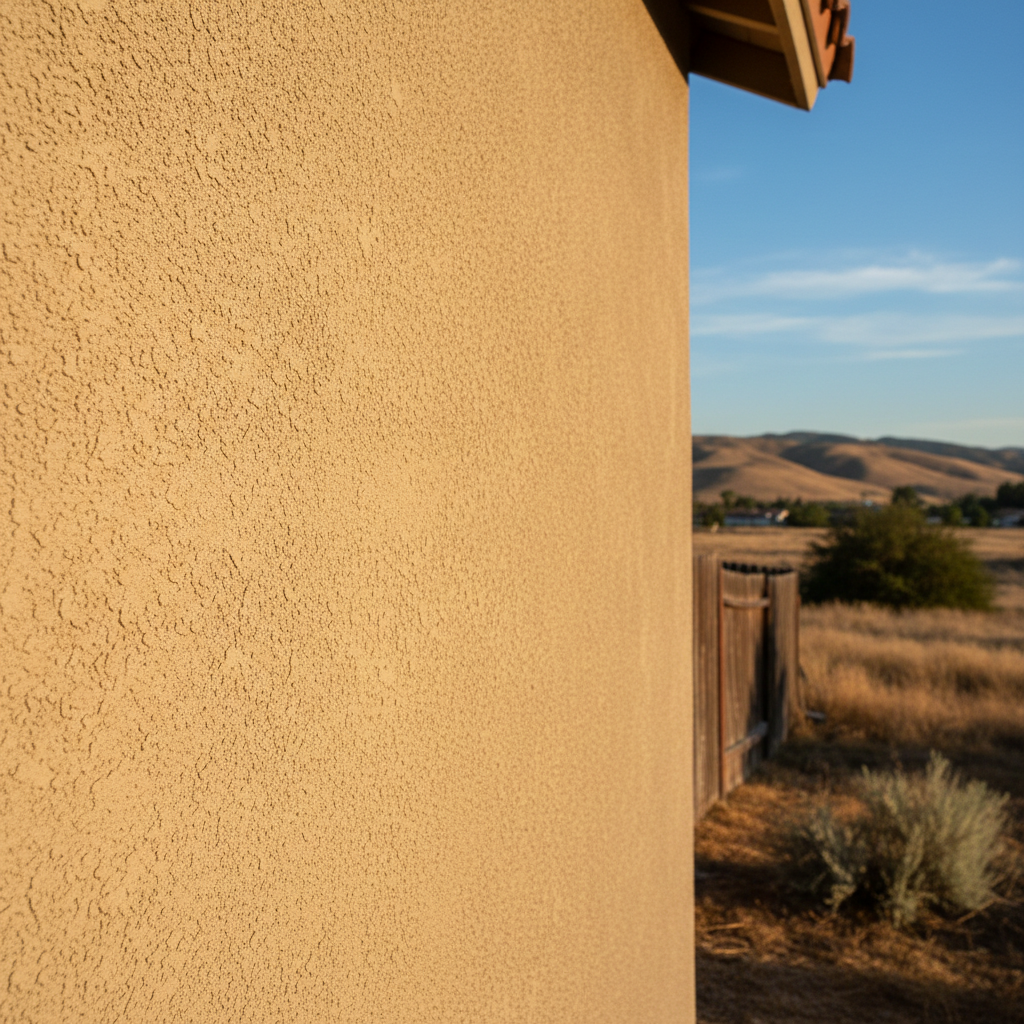
Why would someone even want to remove stucco in the first place?
That's a fair question, especially since stucco's so common here in Tracy. Most folks want to remove it for a few main reasons. Sometimes, it's just plain old and beat up. We're talking cracks, delamination, water damage that's gone too far, or maybe it's just been patched so many times it looks like a quilt. Other times, it's a style thing. People want a different look for their house – maybe siding, brick, or a more modern panel system. They're tired of the texture or the color, and they want a fresh start. And then there are the practical reasons: maybe they're doing a major renovation, adding an extension, or they've got persistent moisture issues that they suspect are tied to the stucco system itself, especially if it was installed poorly years ago.
Is stucco removal a DIY job, or do I really need to hire a pro?
Look, I'm all for saving a buck where you can, but stucco removal? That's not a weekend warrior project. It's messy, it's physically demanding, and it can be dangerous if you don't know what you're doing. You're dealing with heavy materials, potential lead paint or asbestos in older homes (especially those built before the late 70s), and you need to protect the underlying structure. If you damage the sheathing or expose your home to the elements incorrectly, you're looking at much bigger problems and a much bigger bill down the line. Plus, you need specialized tools and a plan for debris removal. Trust me, you want a professional for this. It's an investment in doing it right and keeping your home safe.
What's the typical process for removing stucco?
Alright, so once you've decided to go for it, here's how it usually shakes out. First, we'll do a thorough inspection to understand the existing stucco system and what's underneath. Then, we set up a serious protection zone around your house – tarps, barriers, the works – because this job generates a lot of dust and debris. We'll start by cutting the stucco into manageable sections, often using specialized saws. Then, it's usually a combination of prying, chiseling, and sometimes even jackhammering to get the stucco off the lath. Once the stucco and lath are removed, we inspect the sheathing underneath for any damage, rot, or mold. This is a critical step. After that, we prepare the surface for whatever new cladding you've chosen. It's not just ripping it off; it's a careful, systematic process to expose a clean, sound surface.
How long does stucco removal usually take, and what about the mess?
How long it takes depends on the size of your house, how many stories it is, and the type of stucco system. A smaller, single-story home might take a few days, while a larger, two-story house could easily be a week or more for just the removal phase. The mess? Oh, it's substantial. Think dust, stucco chunks, old lath, nails – it gets everywhere if you're not careful. That's why containment is so important. We'll set up fencing, use heavy-duty tarps, and regularly clean up the work area. We've got to make sure we're not just leaving a mountain of debris for you to deal with. At Skyline Stucco Tracy, we pride ourselves on a clean worksite, even when it's a messy job.
What unexpected problems might we find once the stucco is off?
This is where things can get interesting, and not always in a good way. The biggest surprise we often find is water damage. Stucco, especially older systems or those installed without proper flashing, can trap moisture. When we pull it off, we sometimes uncover rotten sheathing, damaged framing, or even mold growth. This is particularly common around windows, doors, and rooflines, or in areas where the stucco was in direct contact with the ground, which is a big no-no. Sometimes we find old termite damage that was hidden. Finding these issues isn't ideal, but it's also an opportunity to fix them properly before they cause even more expensive problems down the road. It's why that inspection of the underlying structure is so important.
How much does stucco removal cost in Tracy, CA?
That's the million-dollar question, and there's no single answer because every house is different. The cost depends on several factors: the size and height of your home, the type of stucco (some are harder to remove than others), whether there's lead paint or asbestos abatement needed, and the extent of any underlying damage we might uncover. Generally, you're looking at a per-square-foot cost for removal, plus additional charges for debris disposal and any necessary repairs to the sheathing or framing. It's not cheap, but it's an investment. To get an accurate estimate, you really need to have a professional come out and take a look at your specific property. We'll give you a detailed breakdown so you know exactly what you're paying for.
What happens after the stucco is removed? What are my options for new siding?
Once the old stucco is gone and any necessary repairs to the sheathing are made, you've got a blank canvas. This is the exciting part! Your options for new siding are pretty wide open. Many homeowners here in Tracy choose fiber cement siding (like HardiePlank), which is durable and comes in a ton of styles and colors. Vinyl siding is another popular, more budget-friendly option. Some folks go for traditional wood siding, or even brick or stone veneers for a different look. The choice really comes down to your aesthetic preferences, your budget, and what kind of maintenance you're willing to do. We can talk through the pros and cons of each option and help you pick what's best for your home and our local Tracy climate – you know, those hot summers and the occasional wind we get out by the Delta.