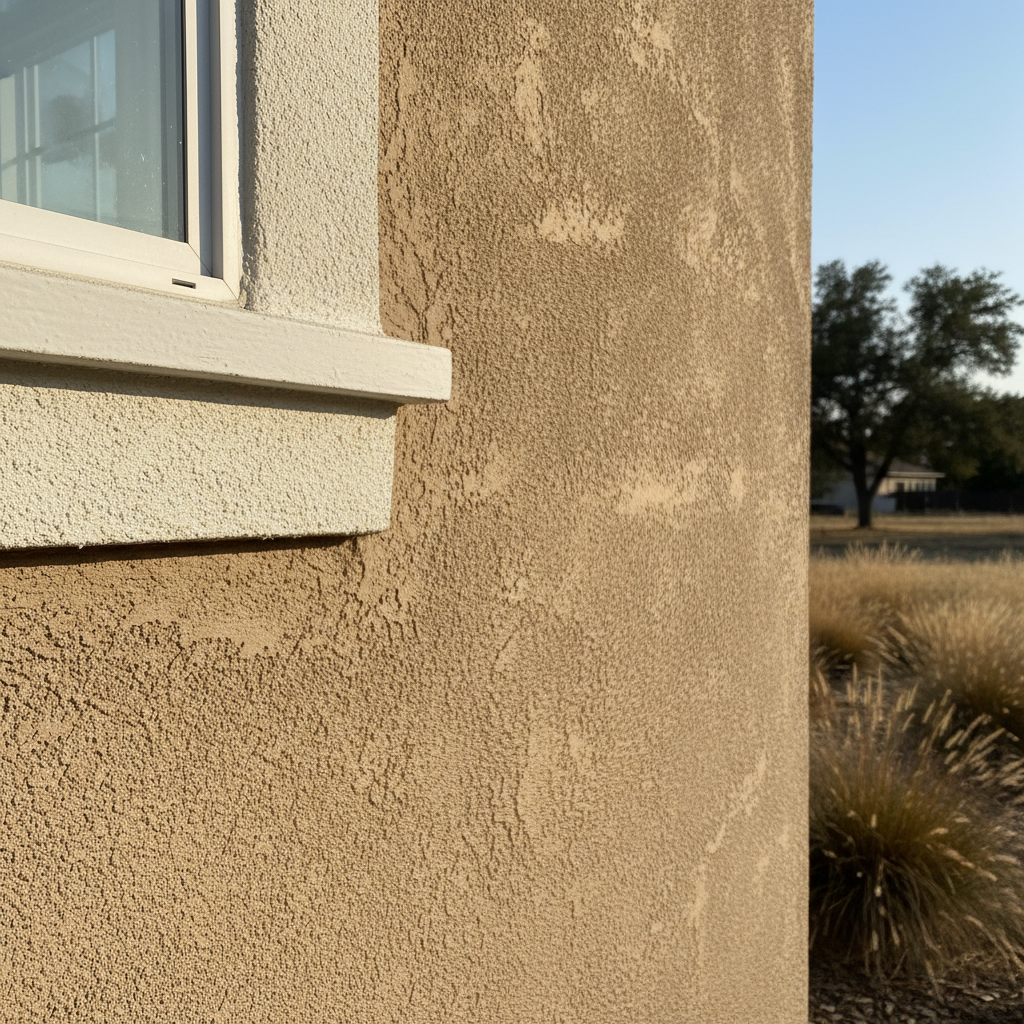
Alright, Tracy homeowners, let's talk about stucco. It's tough, it looks good, and it really does protect your home from our scorching summers and those occasional winter rains. But, just like anything else, it needs a little TLC to keep doing its job right. Honestly, I've seen way too many people wait until a small problem blows up into a huge, expensive headache. That's why a quick, regular stucco inspection — even one you do yourself — is so incredibly important.
This isn't about trying to scare you, not at all. It's about giving you the power to catch things early. You can spot a lot of issues before they get out of hand, and knowing when to just roll up your sleeves versus when to pick up the phone can save you a ton of grief and, frankly, a lot of money. So, let's go over what you need to know before, during, and after checking your stucco.
Before You Start: Get Ready to Look Closely
Before you even step outside, grab a notepad, a pen, and your phone for pictures. You'll want to write down and snap photos of anything you find. Oh, and if you've got a two-story house or some hard-to-reach spots, a good pair of binoculars can really help. You're basically looking for anything that seems off, so a fresh set of eyes is always a good idea.
- Know Your Home's Story: Just bought the place? Ask about any past stucco repairs or issues. Knowing if there's been a problem spot before can give you a real head start.
- Clear the Area: Trim back any bushes or trees that are touching your stucco. They can hide problems, sure, but they can also trap moisture against the wall, and that's a big no-no. Also, make sure your sprinklers aren't constantly drenching the stucco.
- Grab Your Gear: Besides your notepad and phone, a small, soft rubber mallet or even just your knuckle can be handy for a 'tap test,' which we'll get to in a minute.
During the Inspection: What to Look For (and Listen For!)
This is where you turn into a detective. Walk around your entire house, taking your sweet time. Don't rush it. You're looking for visual clues and even listening for certain sounds.
What You Can Do Yourself: The Visual & Tap Test
- Cracks: These are probably the most common thing you'll notice. Hairline cracks, especially those less than 1/8 inch wide, are often just cosmetic — your house settling, temperature changes, that sort of thing. We get those big temperature swings here in Tracy, so some minor cracking is almost a given. But if you see cracks that are wider, jagged, or look like a stair-step pattern, especially around windows, doors, or corners, that's a red flag. Those can point to structural movement or even foundation issues.
- Discoloration and Stains: Dark streaks, water stains, or patches of different colors usually mean water is getting in where it shouldn't. Look especially below windows, near the bottom of walls, and around any fixtures like hose bibs or vents. That white, powdery stuff, called efflorescence, also tells you moisture is hanging around.
- Bulging or Bubbling: If the stucco looks like it's pushing out from the wall, or you spot bubbles or blisters, that's a serious sign of trapped moisture underneath. This means the stucco is coming loose from the wall, and that's definitely not good.
- Soft Spots: This is where your tap test comes in handy. Gently tap the stucco with your knuckle or a soft mallet. Healthy stucco should sound solid and feel hard. If you hear a dull, thudding sound, or if the stucco feels soft or crumbles under light pressure, you've likely got moisture damage and a compromised structure underneath. Yikes.
- Around Openings: Pay extra close attention to windows, doors, and utility penetrations (like pipes or electrical outlets). The caulking and flashing around these areas are absolutely critical for keeping water out. Look for gaps, cracks, or missing sealant. Improper flashing is a really common cause of moisture problems.
- Ground Level: Check the very base of your walls. Is there proper drainage? Stucco shouldn't go all the way to the ground; there should be a gap to stop moisture from wicking up from the soil. If you see cracks or bubbles right along the bottom edge, that's a sign of poor drainage.
When to Call a Pro: Beyond the DIY Scope
While you can do a great job with a visual inspection, there are times you absolutely need to bring in the experts. Don't try to DIY these issues — seriously.
- Structural Cracks: Any crack wider than 1/8 inch, or those diagonal cracks coming from corners, usually means something bigger is going on. Just patching them won't fix the root cause, and they'll just reappear.
- Moisture Readings: If you suspect moisture behind the stucco (from stains, soft spots, or bulging), a professional inspector has specialized tools like moisture meters and infrared cameras to detect hidden water. This is crucial because a lot of stucco problems happen beneath the surface where you can't see them.
- Extensive Damage: If you're seeing widespread cracking, bubbling, or large areas where the stucco is detaching, it's way beyond a simple patch job. This often means you need more extensive repair or even a full replacement.
- Rot or Mold: If you find any signs of wood rot or mold growth, especially if it's coming through the stucco, that's a serious issue that needs professional assessment and remediation.
- Permits and Codes: For significant repairs or replacement, you'll likely need permits from the City of Tracy Building Division. We handle all that stuff at Skyline Stucco Tracy, making sure everything is up to code.
After the Inspection: What's Next?
So, you've finished your walk-around. Now what?
- Small Stuff You Can Handle: For minor hairline cracks, you can often seal them yourself with an elastomeric caulk made for stucco. Keep your gutters clean, and make sure downspouts direct water well away from your foundation.
- Document and Get Quotes: For anything beyond minor cosmetic fixes, refer to your notes and photos. This documentation is invaluable when you call in a professional. Get a few quotes, and make sure they explain what they found and how they plan to fix it. A good contractor will assess the damage and recommend the most effective solution.
- Regular Check-ups: Make this a routine. I tell my clients to do a visual inspection at least once a year, maybe after a big storm or when the seasons change. Proactive care is always cheaper than reactive repairs, right?
Look, your stucco is your home's first line of defense against the elements. Ignoring problems won't make them go away; it'll just make them more expensive. By knowing what to look for and when to call in a trusted local company like Skyline Stucco Tracy, you'll keep your home protected and looking good for years to come.