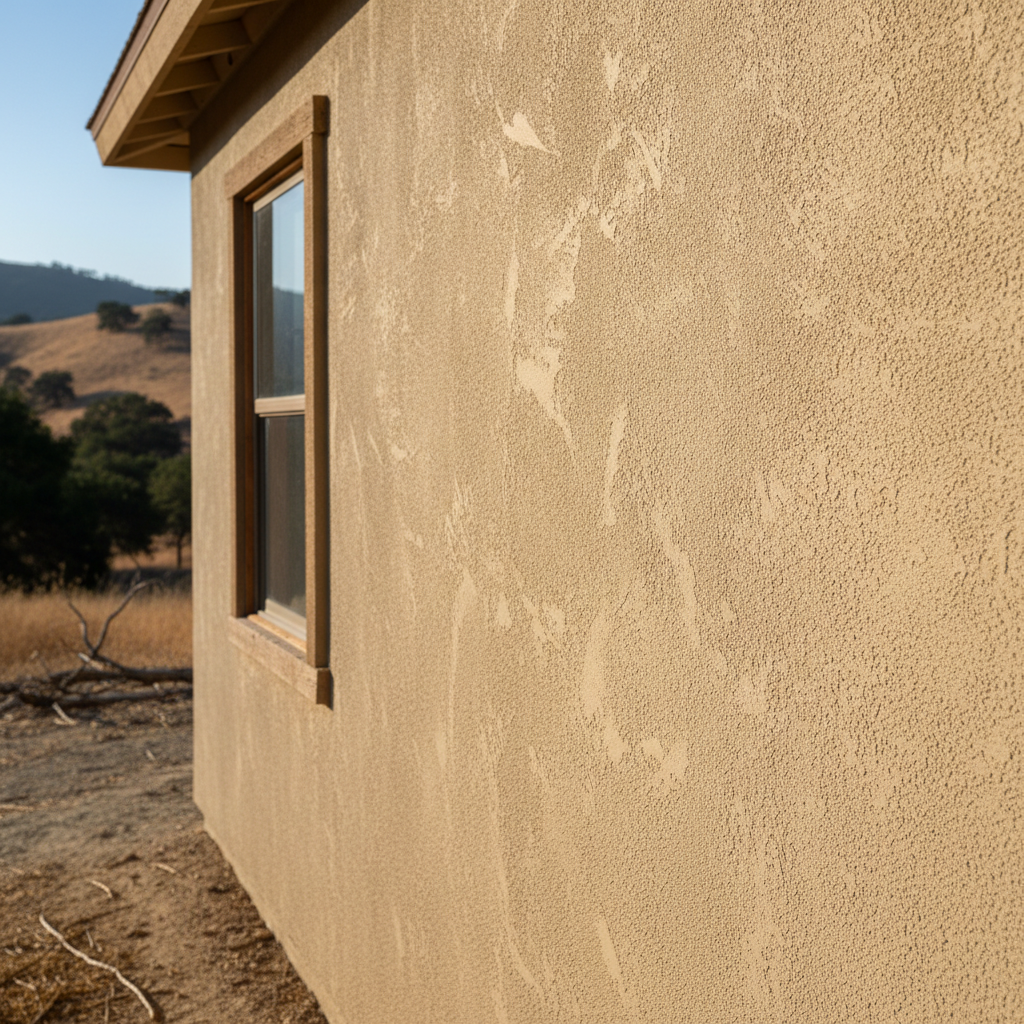
Before You Start Your Stucco Inspection
So, you're thinking about checking out your home's stucco? Good for you. It's truly one of the best ways to catch small problems before they blow up into big, expensive headaches. But hold on a second. Before you even step outside, you need a plan. Don't just wander around aimlessly; that's how you miss things, trust me.
First off, grab a notepad, a pen, and your phone or a camera. You'll definitely want to jot down notes and snap pictures of anything that looks a bit off. This isn't just for your memory, you know; it's solid documentation if you end up needing to show a contractor later. Think about what you're really looking for: cracks, discoloration, soft spots – anything that just doesn't quite look right. You're basically playing detective for your own house.
Next, let's talk safety. You'll probably need a ladder to get a good look at those higher areas, especially if you've got a two-story home or a really tall entryway. Just make sure it's sturdy and you know how to use it safely. There's no point in fixing stucco if you're laid up with a broken leg, right? Also, give some thought to the weather. You really don't want to be doing this in the middle of a Tracy summer heatwave, or when it's pouring rain. A clear, mild day is usually your best bet.
Finally, know your limits. You're a homeowner, not a professional stucco inspector. You're looking for obvious signs of trouble, not performing some kind of forensic analysis. Your main goal here is to identify potential issues that warrant a closer look from someone with specialized tools and training.
What You Can Check Yourself (DIY Inspection)
Alright, you're ready to get started. Here's what you can realistically do on your own:
- Visual Scan: Walk around your entire house, taking your time. Look at the stucco from a few feet away, then get closer. You're hunting for cracks, especially those tiny hairline ones that run horizontally or in spiderweb patterns. Vertical cracks are often less concerning, but still worth noting. Pay extra close attention to areas around windows, doors, and where different materials meet—like where stucco touches the foundation or the roofline. These are common spots for problems to pop up.
- Discoloration & Staining: See any dark streaks, green patches, or weird staining? That could be a sign of water getting in or mold growing behind the stucco. Water often leaves pretty clear signs as it runs down the wall.
- Bulges or Soft Spots: Gently press on the stucco in various places, particularly lower down near the foundation or around windows. Does it feel soft, spongy, or does it flex a bit? That's a big red flag for moisture damage underneath. You might even hear a hollow sound when you tap it lightly with your knuckles.
- Efflorescence: This is that white, powdery substance you sometimes see on masonry. It's mineral salts left behind when water evaporates from the stucco. It definitely indicates that water is getting into and then out of the wall, which is, well, not ideal.
- Sealants & Flashing: Check the caulking and sealants around windows, doors, and utility penetrations (things like hose bibs or dryer vents). Are they cracked, dried out, or missing altogether? That's an open invitation for water to sneak in. Also, look at the metal flashing above windows and doors and at the roofline. Is it installed correctly and free of damage?
- Gutters & Downspouts: Make sure your gutters are clean and actually directing water away from your foundation. Overflowing gutters can dump a ton of water directly onto your stucco, leading to all sorts of issues.
Take pictures of everything you find – good or bad. It helps you track changes over time and gives a pro a head start if you end up calling one.
When to Call a Professional (Post-DIY Inspection)
You've done your walk-around, you've got your notes and pictures. So, what now? If you found anything on your DIY inspection that makes you uneasy, or if you just want some reassurance, it's time to call in a pro. Here's why and when:
- Any Signs of Moisture: If you found soft spots, significant staining, efflorescence, or you just suspect water intrusion, don't mess around. Water behind stucco can lead to rot, mold, and structural damage that's far more expensive to fix down the road. A professional stucco inspector has moisture meters and other tools to find hidden water.
- Significant Cracking: While hairline cracks are pretty common, wide cracks (wider than a credit card), cracks that run through entire panels, or cracks that show signs of movement (like one side being higher than the other) really need an expert assessment. These could point to structural issues, not just surface problems.
- Before Buying or Selling: If you're buying a home with stucco, a professional inspection is absolutely non-negotiable. You need to know exactly what you're getting into. If you're selling, addressing potential issues upfront can prevent headaches during escrow.
- After a Major Weather Event: Tracy gets its share of wind and occasional heavy rains, doesn't it? After a particularly bad storm, it's smart to have a professional check for any damage that might not be immediately obvious.
- For Reassurance: Sometimes, you just want an expert to tell you everything's okay. A thorough inspection by a reputable company like Skyline Stucco Tracy can give you that assurance. We've truly seen it all, from houses in the older parts of town with original stucco to newer builds in places like Ellis. We know what to look for that's specific to our climate and building practices.
A professional stucco inspection isn't just about finding problems; it's about understanding the overall condition of your stucco system. They can pinpoint vulnerabilities, suggest preventative measures, and give you a clear picture of your home's exterior health. It's an investment, really, one that protects your biggest asset.
After the Professional Inspection
So, the pro has come and gone. What happens next?
You'll typically get a detailed report, often with photos, outlining their findings. This report should clearly explain any issues, their severity, and recommendations for repair or maintenance. Don't be afraid to ask questions if anything is unclear – you paid for their expertise, so use it.
Based on the report, you'll need to decide on your next steps. If minor repairs are recommended, you might be able to tackle some of them yourself if you're handy and comfortable with the work, like re-caulking around a window. However, for anything involving significant cracking, water damage remediation, or large-scale repairs, you'll definitely want to hire a qualified stucco contractor.
Get multiple bids for any recommended work. Make sure the contractors are licensed, insured, and have a good reputation. Ask for references and check their work. A good contractor will explain their process, the materials they'll use, and provide a clear timeline and cost. Remember, the cheapest bid isn't always the best; you really want quality work that will last.
Finally, once any repairs are done, make sure you keep up with regular maintenance. Your initial DIY inspection should be an annual thing, maybe twice a year, especially after our hot, dry summers and before the winter rains. Staying on top of things is how you keep your stucco looking good and protecting your home for decades to come.