You've heard about EIFS, or Exterior Insulation and Finish Systems, and maybe you're wondering if it's the right fit for your home here in Tracy. It's a solid system, no doubt. But like anything, there's a lot of misinformation floating around. As someone who's been installing and working with EIFS for years, I get asked the same questions over and over. So, let's just dive right into the most common ones I hear from folks just like you.
What exactly is EIFS, and how is it different from traditional stucco?
Alright, let's clear this up first. Traditional stucco, the stuff you probably picture when you hear the word, is usually a three-coat system. It's made of cement, sand, and lime, and we apply it over a wire lath. It ends up hard, heavy, and pretty rigid. EIFS, on the other hand, is a multi-layered system that starts with an insulation board. This is usually expanded polystyrene (EPS) foam, and we attach it right to your exterior sheathing. Over that, we put a base coat, which gets reinforced with a fiberglass mesh, and then a finish coat. The big difference? That insulation board. It's what gives EIFS its superior insulating properties and flexibility. It's not a 'cement' product in the same way traditional stucco is, if that makes sense.
Is EIFS really waterproof, or does it just trap moisture?
This is a big one, and it's actually where a lot of the bad rap for EIFS comes from. Early EIFS systems, often called 'barrier EIFS,' were designed to be a complete barrier against water. The problem was, if any water managed to get behind that barrier—say, through a poorly sealed window or a roof leak—it had nowhere to go. It would just get trapped, which led to rot and mold. That's obviously not good, and it's why those early systems gave EIFS such a black eye.
Today, almost all EIFS we install is 'drainage EIFS' or 'water-managed EIFS.' These systems include a drainage plane behind the insulation board. This is often a vertical grooving right in the foam, or sometimes a separate drainage mat. This setup lets any incidental moisture that gets behind the system drain safely out and away from your wall assembly. So, when experienced pros like us at Skyline Stucco Tracy install it correctly, modern EIFS is designed to manage water effectively. It doesn't trap it.
How long does EIFS last, and what kind of maintenance does it need?
A well-installed EIFS system can last a very long time, easily 30-50 years, often even more. The key, as you might guess, is that 'well-installed' part. As for maintenance, it's pretty straightforward. You'll want to keep it clean, just like any other exterior surface. A gentle washing with a hose and a soft brush can remove dirt and grime. Also, check your sealants around windows, doors, and other penetrations regularly—maybe once a year. If you spot any cracks or damage, get them repaired promptly. Small repairs are easy; letting them go can lead to much bigger problems. It's not high-maintenance, but it's not 'install it and forget it' either.
Does EIFS really save money on energy bills in a place like Tracy?
Absolutely, it does. That insulation board I mentioned earlier? That's your secret weapon against our hot Tracy summers and surprisingly chilly winters. Traditional stucco has some insulating value, sure, but it's nowhere near what EIFS provides. With EIFS, you're essentially wrapping your home in a continuous blanket of insulation. This reduces thermal bridging—that's heat transfer through studs and other framing materials—and creates a much more stable indoor temperature. I've had clients in older homes, especially those in areas like South Tracy with less efficient insulation, tell me they've seen significant drops in their energy bills after an EIFS installation. It keeps the heat out when it's 100 degrees and keeps your furnace from working overtime when it dips down in January. Pretty neat, huh?
What kind of finishes can I get with EIFS? Is it just smooth?
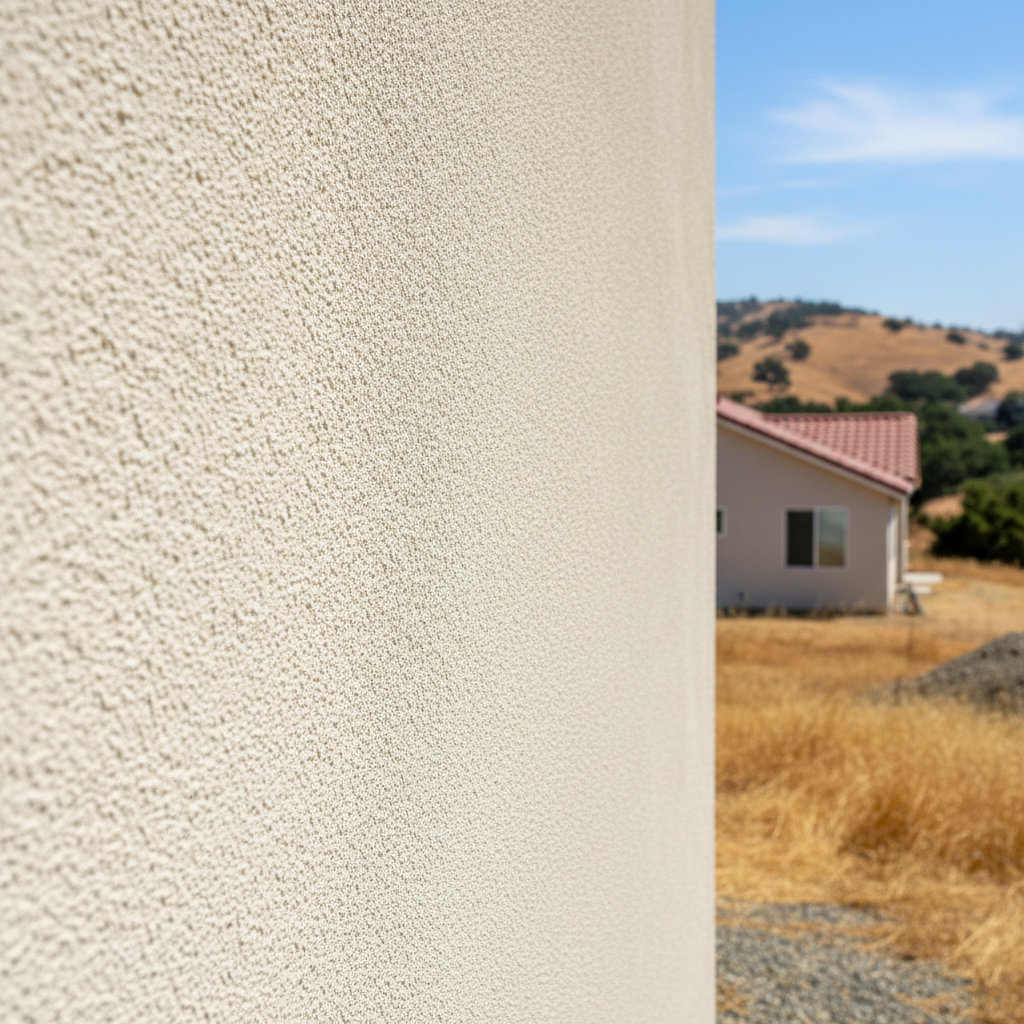
Not at all! One of the cool things about EIFS is how versatile it is with finishes. You can get pretty much any texture you can imagine. Smooth, sand finish, coarse, even finishes that mimic brick or stone. The finish coat is acrylic-based, which means it's incredibly flexible and resistant to cracking, unlike traditional stucco. Plus, it comes in an almost endless array of colors. So, whether you want a modern, sleek look or something more traditional, EIFS can deliver. It's a great way to update your home's curb appeal while also boosting its energy efficiency.
Is EIFS more expensive than traditional stucco?
Upfront, EIFS can sometimes have a higher initial cost than a basic traditional stucco application. But it's not always a huge difference, and it really depends on the specifics of the job. However, you've got to look at the long game. The energy savings alone can offset that initial investment over time. Plus, its durability and lower maintenance requirements often mean fewer repair costs down the road. When you factor in the enhanced insulation, the design flexibility, and the long lifespan, many homeowners find the overall value of EIFS to be superior. It's an investment in your home's comfort, efficiency, and longevity.
So, there you have it—the straight answers to the questions I get most often about EIFS. It's a fantastic system when it's done right, offering real benefits for homeowners here in Tracy. If you've got more questions, don't hesitate to reach out. That's what we're here for at Skyline Stucco Tracy.